
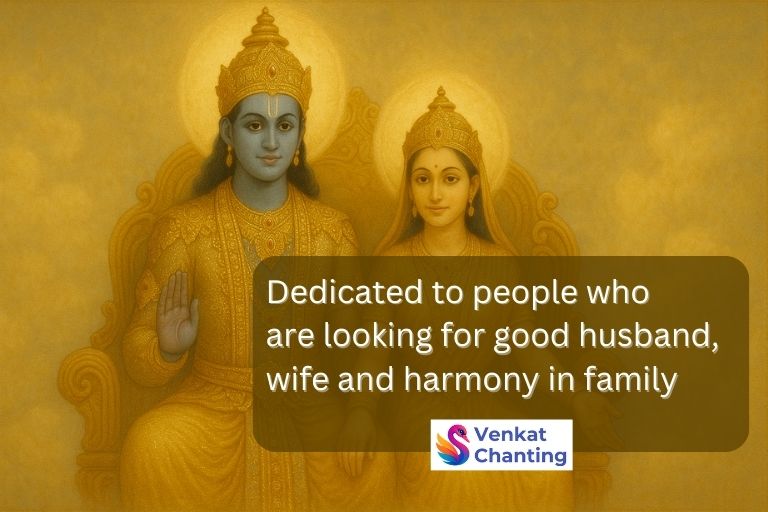
Vivaha Panchami – The Sacred Wedding Day of Sri Rama and Sri Sita
Among the many beautiful festivals linked to the Ramayana, Vivaha Panchami holds a special place in the hearts of devotees. It is the day when the entire universe is believed to have rejoiced at the divine marriage of Sri Rama and Sri Sita, the sacred union of Dharma and Shakti.
For devotees, Vivaha Panchami, It is a living reminder that divine love, commitment, and righteousness can also be the foundation of our everyday relationships and family life.
When is Vivaha Panchami Celebrated?
Vivaha Panchami is observed on the fifth day (Panchami) of the Shukla Paksha, the bright fortnight of the waxing moon – in the month known as Margashirsha / Agrahayana / Mangsir (usually falling in November and December in the Gregorian calendar).
Because it follows the lunar calendar, the exact English date changes every year, but the spiritual mood of the festival is timeless. On this day, temples and homes connected with the Ramayana tradition celebrate the wedding anniversary of Sri Rama and Sri Sita with great joy and reverence.
The Story Behind Vivaha Panchami – Sita Swayamvara and the Divine Wedding
To understand Vivaha Panchami deeply, we have to return to the ancient kingdom of Mithila, ruled by the wise and dharmic king Janaka.
Sita’s Birth and Janaka’s Vow
Sita, also called Janaki and Maithili, is regarded as an incarnation of Mahalakshmi, discovered as a divine child from the earth by King Janaka while he was ploughing the land. Overwhelmed by her radiance and purity, he adopted her as his daughter and raised her as the princess of Mithila.
As Sita grew, her beauty, wisdom and inner strength became known across kingdoms. Janaka, wanting a husband worthy of her divinity, made a unique vow. He possessed a mighty bow of Lord Shiva, known as the Pinaka. He declared that only the prince who could lift, string, and draw this bow would win Sita’s hand in marriage.
The Grand Swayamvara in Mithila
Kings and princes from many regions arrived for the Swayamvara, the royal ceremony where Sita would choose her husband. One after another, mighty warriors tried to even lift the bow, but the divine weapon remained unmoved, silently revealing their limitations.
At this time, Sage Vishvamitra visited Mithila along with Sri Rama and Lakshmana, the sons of King Dasharatha of Ayodhya. On the day of the Swayamvara, Vishvamitra instructed Rama to attempt lifting the bow.
With complete humility and devotion, Rama bowed to the bow of Shiva and then effortlessly lifted it, strung it, and in the process, the bow broke with a thunderous sound that echoed across the hall. The assembled kings were stunned, and the devas rejoiced.
Sita, whose heart had already recognized Rama’s divinity, approached him with a garland in her hands. In the presence of sages, kings, and the people of Mithila, she placed the garland around Rama’s neck, accepting him as her eternal companion.
This divine event, Sita Swayamvara culminated in a grand wedding ceremony, which Vivaha Panchami commemorates every year.
The Four Sacred Weddings
The celebrations in Mithila did not end with only one marriage. With the blessings of King Dasharatha and King Janaka, four sacred weddings took place:
- Sri Rama married Sita
- Lakshmana married Urmila (Sita’s sister)
- Bharata married Mandavi
- Shatrughna married Shrutakirti
Thus, Vivaha Panchami also symbolizes the joining of two royal families rooted in Dharma, forming a beautiful network of relationships anchored in righteousness and love.
Janakpurdham: The Heart of Vivaha Panchami Celebrations
The city of Janakpurdham (Janakpur), in present-day Nepal, is deeply associated with Sita’s life and wedding. It is revered as the region of Mithila, once ruled by King Janaka.
On Vivaha Panchami, Janakpurdham transforms into a divine wedding venue:
- The magnificent Janaki Mandir, dedicated to Sita, becomes the central focus of the celebrations.
- A beautifully decorated Vivaha Mandap (wedding pavilion) represents the sacred spot of the Rama–Sita wedding.
- Devotees arrive in thousands from Nepal and India, especially from the Mithila region and Ayodhya, to take part in symbolic reenactments of the wedding.
Processions, known as Ram Baraat, represent Sri Rama and his entourage arriving from Ayodhya. Rituals such as Matkor, Tilakotsav, and the Vivaha Utsav are performed over several days, culminating in the symbolic marriage ceremony, where idols of Rama and Sita are adorned and married in full Vedic style.
For devotees, visiting Janakpurdham during Vivaha Panchami is like attending the original wedding of Sita and Rama, and many describe it as a once-in-a-lifetime blessing.
How Vivaha Panchami is Celebrated in Temples and Homes
While Janakpurdham is the epicenter, Vivaha Panchami is celebrated in many parts of India and Nepal, especially in:
- The Mithila region of Bihar
- Ayodhya and surrounding areas in Uttar Pradesh
- Various Rama and Sita temples worldwide
Some common devotional practices include:
1. Early Morning Snana and Sankalpa
Devotees wake up early, bathe, and take a sankalpa (resolution) to honour Rama and Sita on this sacred day. Some observe a vrat (fast) or simple-sattvic diet as an offering of discipline and bhakti.
2. Alankaram of the Divine Couple
Idols or framed pictures of Sri Rama and Sri Sita (often with Lakshmana, Hanuman, and the royal assembly) are beautifully decorated. Devotees:
- Dress the murtis in fresh clothes
- Offer flower garlands, ornaments, and kumkum–chandan
- Create a small mandap using flowers, cloth, and lamps to represent the wedding hall
3. Ram–Sita Vivaha Puja
In many temples, priests perform a detailed Kalyana Utsavam or Vivaha Puja:
- Mantras from the Vedas and Ramayana are chanted
- Symbolic rituals of a Hindu wedding are reenacted—invocation of devatas, kanyadaan, mangalya dharanam, and saptapadi
- Devotees witness the puja as divine “wedding guests” and receive prasadam as a token of grace
4. Katha, Bhajans, and Kirtan
The Sita Swayamvara and Vivaha portions from the Ramayana are read or narrated in simple language so that even children can follow. Devotees sing:
- Rama bhajans and Sita–Rama kirtans
- Mangalashtakam and other auspicious wedding hymns
- Local folk songs celebrating the joy of the divine marriage
The atmosphere in many places feels exactly like a family wedding—only here, the bride and groom are the Lord and the Divine Mother.
Spiritual Significance of Vivaha Panchami
Beyond rituals, Vivaha Panchami carries a subtle, powerful message for spiritual seekers and householders alike.
1. Union of Dharma and Shakti
Sri Rama represents Dharma, discipline, and ideal conduct. Sri Sita embodies compassion, purity, and divine strength. Their marriage symbolises:
- The union of righteousness and divine energy
- The harmony of wisdom and love
- The balance of inner strength and outer responsibility
Meditating on their union helps us bring these same qualities into our own lives.
2. An Ideal Grihastha Life
What is ideal grihastha life?
- Marriage can be a sacred partnership, not just a social contract
- Mutual respect, sacrifice, and loyalty can turn a home into a temple
- Standing together through joy and suffering brings spiritual growth
Vivaha Panchami inspires couples to see their relationship as a form of shared sadhana.
3. Blessings for Marriage and Family
Many devotees observe Vivaha Panchami seeking blessings for:
- Harmony and understanding in married life
- Removal of obstacles in finding a suitable partner
- Protection and prosperity for the family
The festival reminds us that when we anchor our relationships in dharma, divine grace flows naturally.
4. Inner Marriage – Jiva and Ishvara
On a deeper, symbolic level, Sita can be seen as the individual soul (jiva) and Rama as the Supreme Reality (Ishvara). Their wedding represents:
- The soul turning fully towards God in love
- Letting go of ego and surrendering to divine guidance
- Experiencing oneness with the Lord through devotion
From this view, Vivaha Panchami becomes a reminder to “marry” our mind to the remembrance of the Divine.
Simple Vivaha Panchami Sadhana You Can Do at Home
For readers of VenkatChanting, here is a gentle, practical way to celebrate Vivaha Panchami wherever you are.
You can adjust the details based on your tradition and time:
- Create a small altar
- Place a picture or idol of Sri Rama and Sri Sita (with or without Ram Parivar).
- Light a ghee lamp or oil lamp, and some incense if available.
- Offer flowers and simple naivedya
- Offer a few flowers, even if it is just from your balcony plants.
- Keep some fruits, milk, or a small sweet as naivedya.
- Chant the divine names
You may choose a fixed count like 11, 27, 54 or 108 times:- “Sri Rama Jaya Rama Jaya Jaya Rama”
- “Sri Sita Rama, Sri Sita Rama”
- Read or listen to the wedding portion of the Ramayana
- Even a short summary of the Sita Swayamvara episode brings the bhaava alive.
- If you prefer, play a Ramayana katha or Rama–Sita bhajan in the background while you sit quietly.
- Offer a personal sankalpa
- Pray for peace and harmony in your home.
- Ask for the strength to follow dharma in your relationships, just as Rama and Sita did.
- Mentally place your worries at their feet and ask for guidance.
- Distribute prasadam
- Share the fruits or sweets with family and, if possible, with a neighbour or someone in need.
- This transforms personal worship into shared grace.
Simple Chants for Vivaha Panchami
Here are a few lines you can use for japa or kirtan on this day:
- “Sri Sita Rama Lakshmana Hanuman ki Jai”
- “Jai Siya Ram, Jai Jai Siya Ram”
- “Siyavar Ramachandra ki Jai”
- “Janaki Rama, Janaki Rama, Jai Jai Rama”
You can sing these slowly with a soft tanpura or background drone, or simply repeat mentally while doing your daily work.
Involving Children and Family
Vivaha Panchami is also a beautiful opportunity to make children fall in love with the Ramayana in a joyful way:
- Narrate the story of Sita Swayamvara in simple language.
- Encourage them to draw Rama and Sita under a wedding mandap.
- Let them help you decorate the altar with flowers and rangoli.
- If you like, you can even do a small, playful “Rama–Sita wedding drama” at home, so they remember the story forever.
When children grow up with such memories, festivals become more than just holidays—they become emotional and spiritual anchors for life.
Summary
Vivaha Panchami is not only the remembrance of a divine event in Treta Yuga. It is an invitation to re-align our hearts, homes, and relationships with the ideals of Sri Rama and Sri Sita.
Every time we chant “Sita Ram”, we are quietly inviting those qualities of courage, purity, faithfulness, and grace into our own lives. Whether you celebrate this day with a grand temple visit or a simple lamp in your room, what truly matters is the bhaava, the inner feeling of love and reverence.
May the blessings of Sri Sita and Rama on Vivaha Panchami bring peace to your mind, harmony to your family, and devotion to your heart.
Jai Siya Ram.
Venkat